

Free Ranging & Parasites: Why Summer is the Riskiest Season for Your Flock
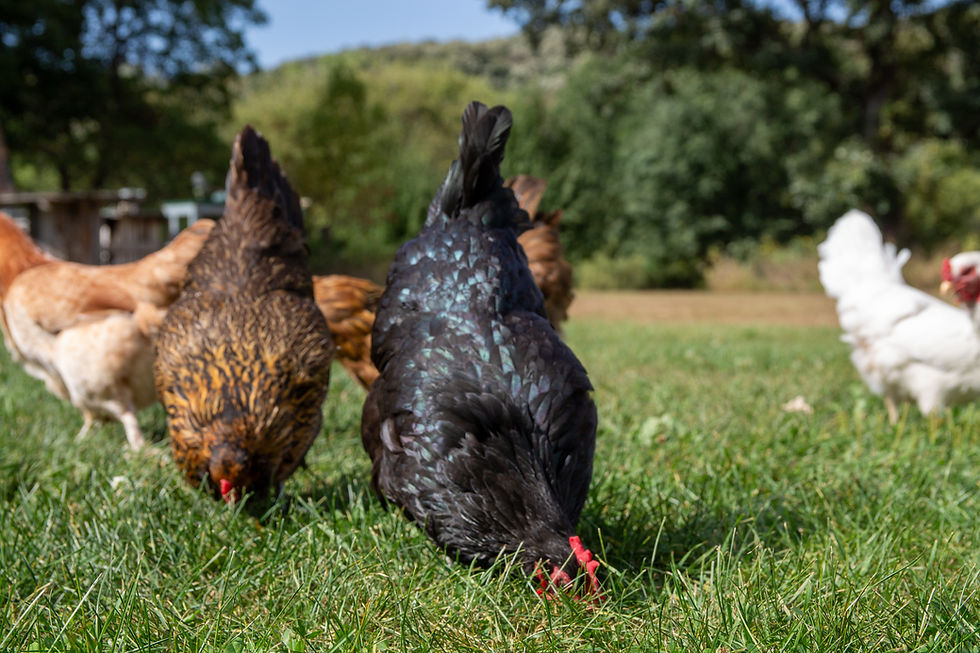
One of the greatest joys of keeping backyard chickens is watching them do what they do best, scratching through grass, dust bathing in the garden and foraging freely in the sunshine. Free-ranging is wonderful for your birds’ physical and mental wellbeing. But as temperatures rise and your flock spends more time outside, there’s something every chicken keeper should have on their radar: warm weather is peak season for parasites.
Whether your chickens roam a large pasture or a small backyard, understanding the parasite threat and knowing what signs to watch for can make a big difference in keeping your flock healthy all summer long.
Why Warm Weather Means Higher Parasite Risk
Warm, moist conditions are ideal for eggs and larvae of many common chicken parasites to survive and multiply in the environment. Your flock’s favorite foraging spots including soil, grass and leaf litter which can harbor these threats.
Free-ranging birds also have more exposure to wild birds, rodent, and contaminated soil, all of which can introduce or spread parasites. The more ground your chickens cover, the more potential exposure they have.
Two Types of Parasites to Know
Chicken parasites generally fall into two categories: internal (worms) and external (bugs that live on the skin and feathers). Free-ranging birds can be vulnerable to both.
Internal Parasites (Worms)
Several types of worms can take up residence in your chickens’ digestive tract, including roundworms, cecal worms, capillary worms and tapeworms. Chickens pick these up by pecking at contaminated soil, earthworms, beetles and other insects. This can happen during their normal foraging behavior you love to watch.
Signs your chickens may have an internal parasite burden:
Weight loss or failure to maintain condition despite eating well
Pale or shrunken combs and wattles
Reduced egg production or thin-shelled eggs
Diarrhea or abnormal droppings
Lethargy or a general "off" appearance
Swollen abdomen (in some cases)
Birds that look hunched or fluffed up
A light worm burden may go unnoticed, but heavy loads can cause serious illness, which is why regular observation of your flock matters so much.
External Parasites (Mites & Lice)
Mites and lice are among the most common external parasites in backyard flocks, and summer heat and humidity can accelerate their life cycles significantly. Here are the most frequently encountered external parasites:
Red mites hide in cracks and crevices of the coop during the day and feed on birds at night. Heavy infestations cause anemia, stress and reduced laying.
Northern fowl mites live directly on the bird at all stages of their life cycle, concentrating around the vent area.
Lice feed on skin scales and feather debris and are visible to the naked eye, typically found around the vent, under the wings and at the base of feathers.

Signs your chickens may have external parasites:
Feather damage, loss or a "ragged" appearance
Restlessness, increased preening or picking at themselves
Pale comb and wattles (a sign of anemia from mite feeding)
Reduced egg production
Weight loss
Visible bugs or tiny moving specks on the skin and feathers
Crusty or dirty-looking feathers around the vent
Eggs clusters ("nits") at the base of feathers
How to Check Your Birds
Making parasite checks part of your routine flock care is one of the best habits you can build. Aim to do a hands-on check at least once a month during warm weather.
For external parasites: Catch a bird and part the feathers, especially around the vent, under the wings and at the back of the neck. Look for movement, tiny eggs at the base of feather shafts or skin irritation. Check your coop structure too, by running a white cloth along roosting bars is a great way to look for red mite evidence.

For internal parasites: Because worms aren’t visible without a fecal test, you’re watching for behavioral and physical changes. Keep an eye on body condition, you should be able to feel your birds’ keel bone (breast bone) without it being sharply prominent. Watch their energy levels, droppings and laying consistency.
If you suspect a problem, your veterinarian or local cooperative extension office can help with fecal float testing to identify what (if anything) your flock is dealing with.
Prevention is Your Best Tool
A healthy digestive tract and a strong immune system give your chickens a better foundation for resisting parasites. Here are some tips to consider:
Move your girls to fresh ground when you can, giving foraged spots a rest helps break the parasite cycle before it starts.
A clean, dry coop is best. Don’t let moisture set up a welcome mat for mites and lice.
Let your girls do their thing. A good dust bathing spot is your chickens’ own all-natural spa treatment for keeping creepy crawlies at bay.
Feed the flock from the inside out. Quality feed plus a digestive health supplement keeps your birds’ defenses strong all season long.
Know your flock, trust your gut. The chicken keeper who watches their birds daily is always the first to spot trouble before it becomes a real problem.
The Bottom Line
Free-ranging is one of the best things you can offer your backyard flock and with a little extra attention during warm weather months, you can keep it that way. Knowing what to look for and making routine flock checks a habit means you’ll catch problems early and keep your birds thriving all season long.


