

Vertical Garden Ideas for Backyard Chicken Keepers

Okay, real talk. How many of you have stood in your backyard, looked at your chicken run, your coop, your kids’ bikes, the patio furniture, and thought… where on earth would I even put a garden?
Here’s the thing though. Growing your own food doesn’t have to mean a big sprawling garden with raised beds stretching across your yard. More and more backyard homesteaders, especially those of us working with a suburban sized lot, are turning to vertical gardens, and honestly? Why not!
If you’ve been curious about vertical gardening but didn’t know where to start, you’re in the right place. Let’s dig in.
What Is a Vertical Garden?
A vertical garden is exactly what it sounds like. Instead of growing out, you grow up. Plants are grown on trellises, wall mounted planters, stacked pocket systems, pallets, wood structures or hanging structures. You’re using vertical space like fences, walls, pergolas or even the side of your coop to grow food or flowers without needing a big footprint on the ground.
It’s honestly brilliant for those of us who are already using every square inch of our backyards for our flock.
Why Vertical Gardens and Backyard Chickens Just Work
Here’s something fun! Your backyard chicken setup and a vertical garden can be a match made in homesteading heaven. Here’s why:
More space for everyone. Your hens need room to roam. A vertical garden keeps your growing space up and off the ground, so you’re not fighting your flock for square footage.
Hello, free fertilizer. Composted chicken manure is liquid gold for a garden. Your girls are basically running a fertilizer operation back there, and a vertical garden makes it easy to put that goodness to use in a small area.
Natural pest control. Let your chickens do a little foraging near the base of your garden with some supervision, of course. They will eat your seedlings if given the chance. They’ll happily snack on bugs that would otherwise make their way to your plants.
Grow chicken friendly herbs. Think about planting herbs like basil, mint and sage in your vertical garden. Not only are they great in the kitchen, but many of them have natural health benefits for your flock too!
What Can You Grow Vertically?
More than you might think! Some of the best options for vertical gardens include:
Herbs like basil, mint, parsley, cilantro, thyme and oregano
Leafy greens like lettuce, spinach, Swiss chard and kale
Cucumbers, which love to climb a trellis
Tomatoes, especially cherry tomatoes in vertical setups
Strawberries in a stacked planter or pocket system
Zucchini and squash with a sturdy trellis to help them grow up instead of sprawling out
Flowers like marigolds and roses, which are beautiful and approved for chickens
Types of Vertical Gardens to Consider
There’s no one size fits all option here, which is part of what makes vertical gardening so fun. Here are a few popular options:
Trellis or Lattice Systems These are probably the most low cost and beginner friendly option. Mount a trellis against a fence or wall, plant climbing vegetables at the base and let nature do its thing. Simple, effective and really pretty once things get growing.

Picture credit: cottageonbunkerhill Wall Mounted Pocket Planters These fabric or felt pocket systems can be hung on a fence, wall or even the exterior of your coop if it gets good sunlight. They’re perfect for herbs and lettuces. Fair warning, they dry out faster than traditional pots, so you’ll want to water them consistently.

Pallet Gardens Got an old wooden pallet? Turn it upright, line the back with landscape fabric, fill it with soil and plant away. Pallet gardens have a great farmhouse aesthetic and are super budget friendly. Just make sure your pallet is heat treated, not chemically treated.

Tower Planters Stackable tower planters are another fan favorite. They’re compact, tidy and can hold a surprising number of plants. Great for strawberries!

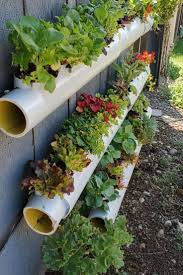
PVC Pipe Planters For the DIY crowd, PVC pipes drilled with holes and mounted vertically or horizontally can make great planting channels for herbs and greens. It’s a fun weekend project!
Tips for Getting Started
Start small. You don’t have to overhaul your whole backyard at once. Pick one wall or fence section and start with a trellis or a pocket planter. See how it goes!
Think about sunlight first. Before you commit to a spot, watch how the sun moves through your yard. Most vegetables need at least 6 hours of direct sunlight. South facing walls are usually your best bet.
Water consistently. Vertical gardens can dry out faster than in ground beds. Drip irrigation systems or self watering planters can be a game changer if you’re busy. And let’s be honest, between the coop, the kids and everything else, we’re always busy.
Use good quality soil. A lightweight, well draining potting mix works best for most vertical planters. Don’t skip on this one. Your plants will thank you.
Protect your garden from your flock. Love them as we do, chickens and freshly planted seedlings don’t mix well. Make sure your vertical garden is positioned out of pecking range, or use some simple wire fencing around the base while plants are getting established.
The Big Picture
For those of us trying to live a little more intentionally, growing some of our own food, raising backyard chickens and trying to be a little more self sufficient even on a suburban lot, vertical gardens are a genuinely exciting tool. They make it possible to grow real, fresh, nourishing food even when space feels tight.
And there’s something so satisfying about stepping out to your backyard, collecting eggs from your girls, and then snipping a handful of fresh herbs from your vertical garden for dinner. That’s the dream, right?
Start small, have fun with it and don’t be afraid to experiment. That’s pretty much the motto around here for everything, chickens included.
Happy growing, friends!


